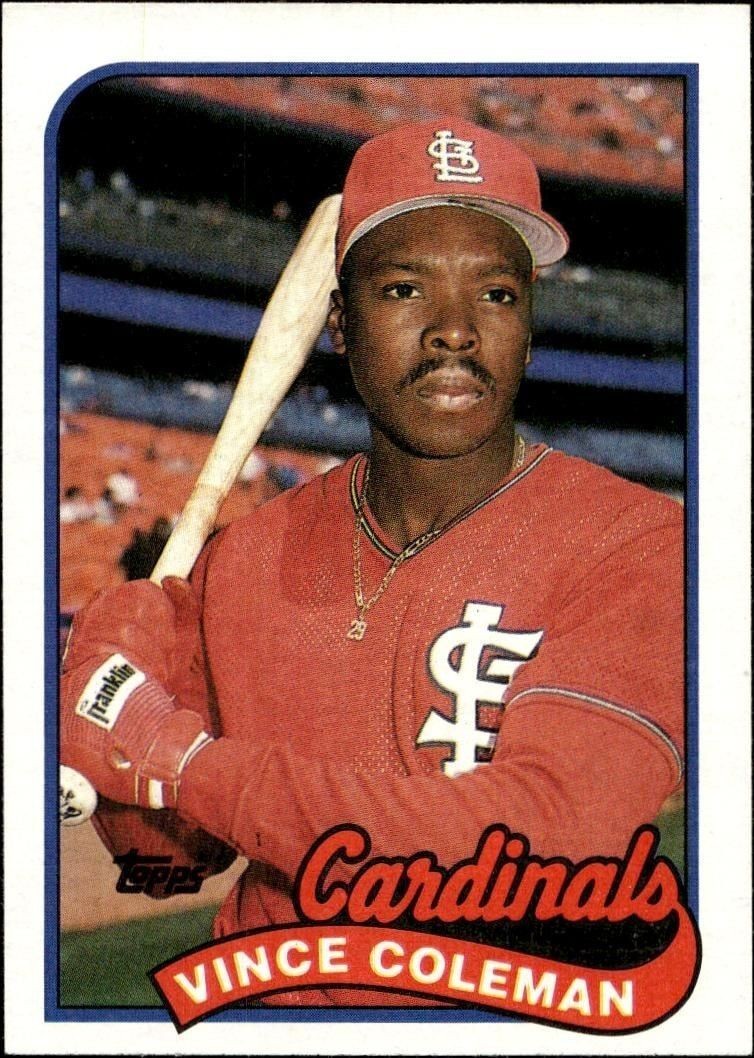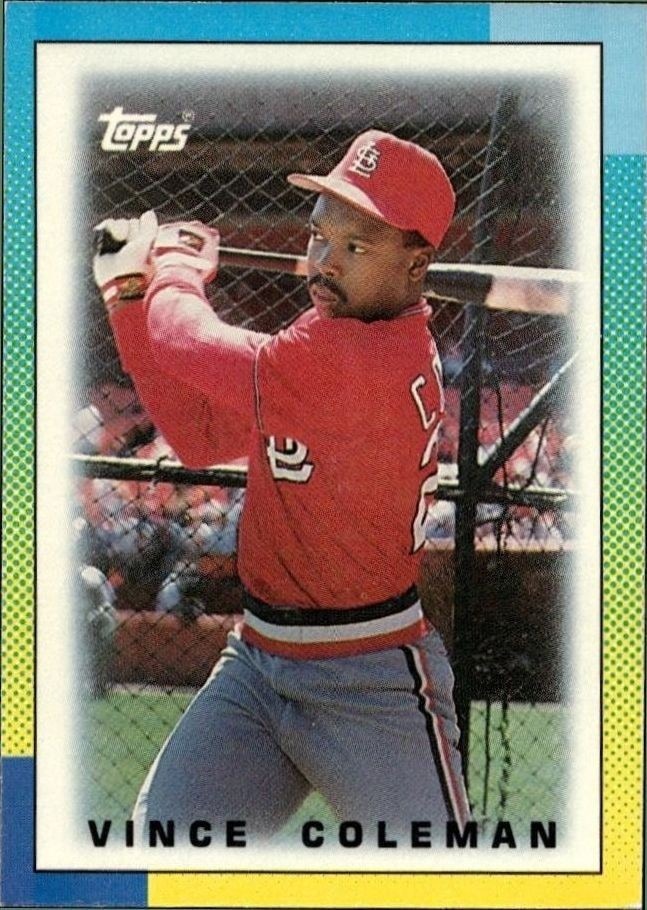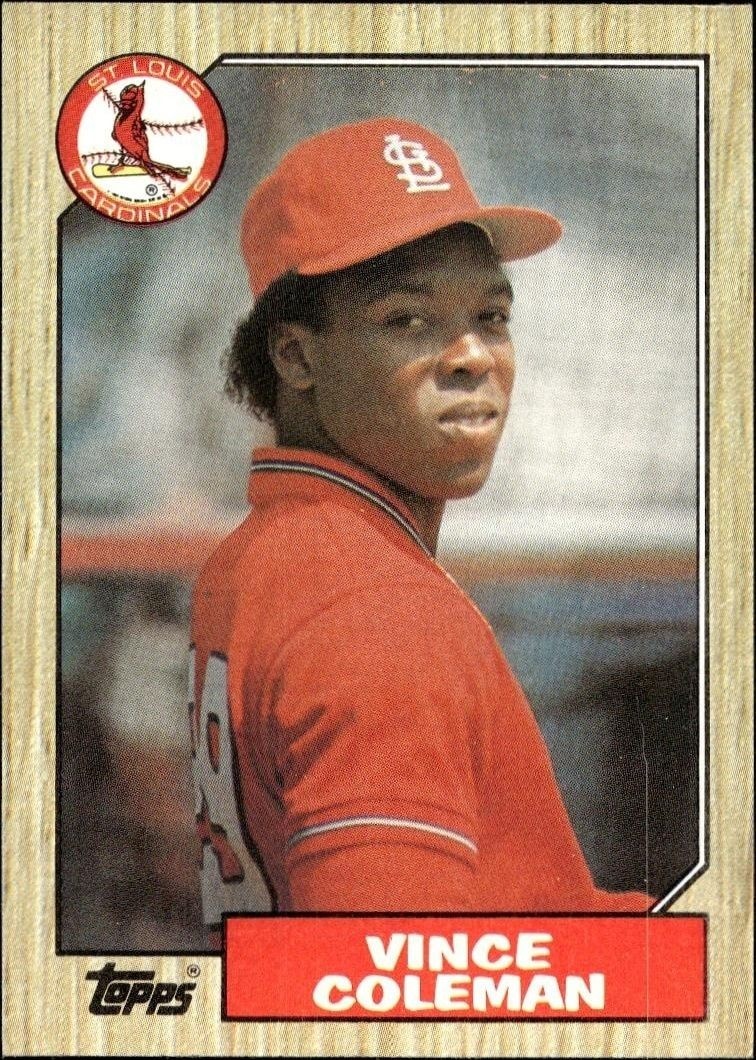



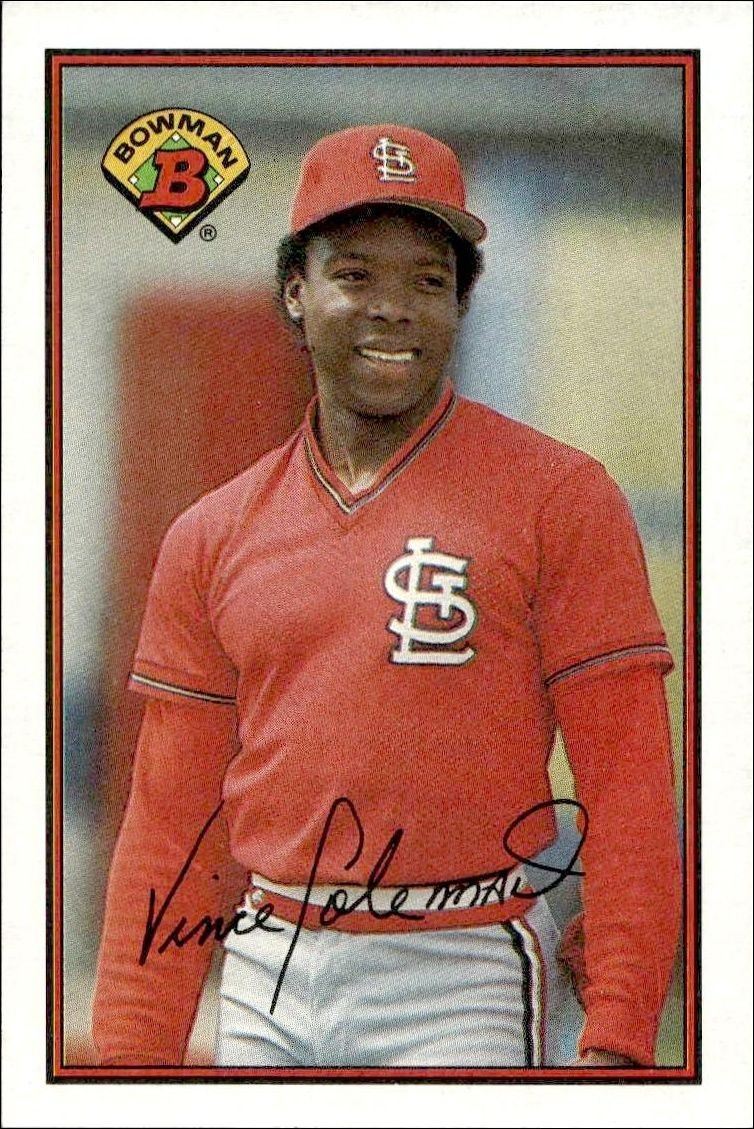


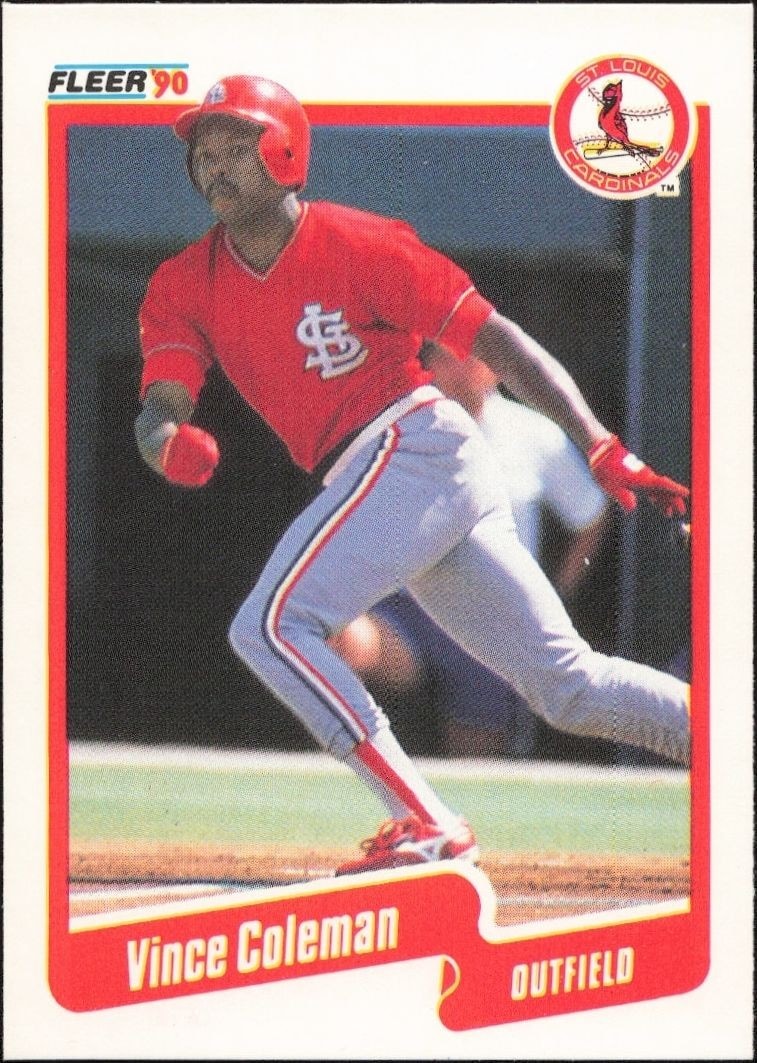
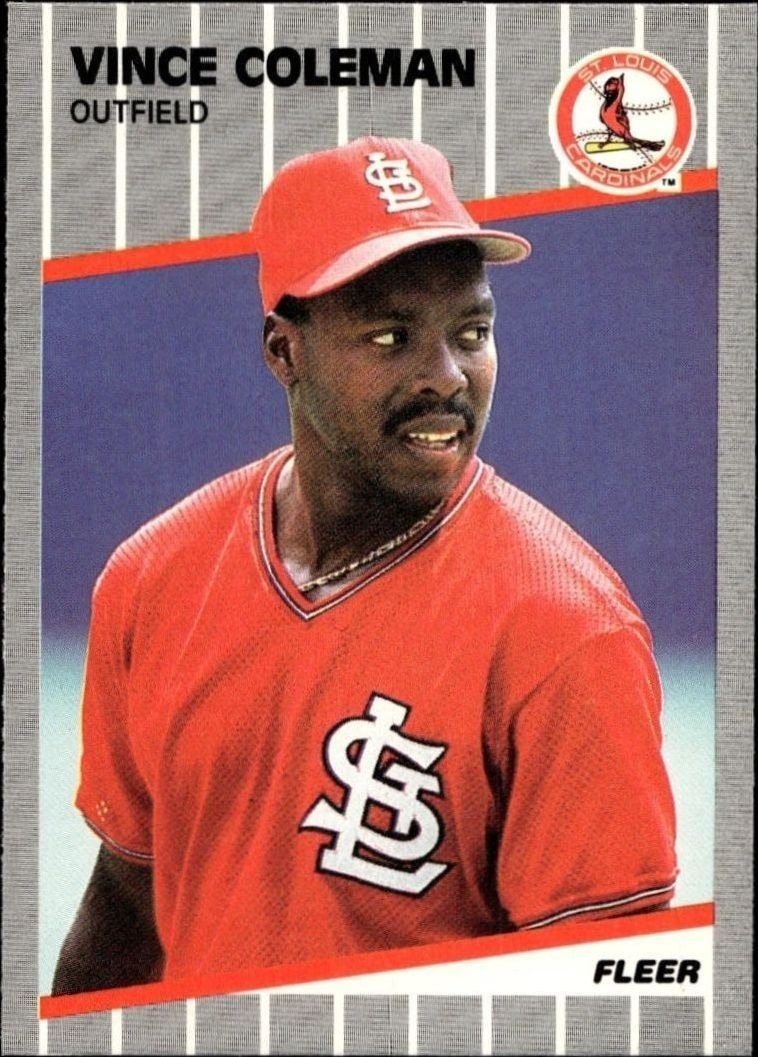
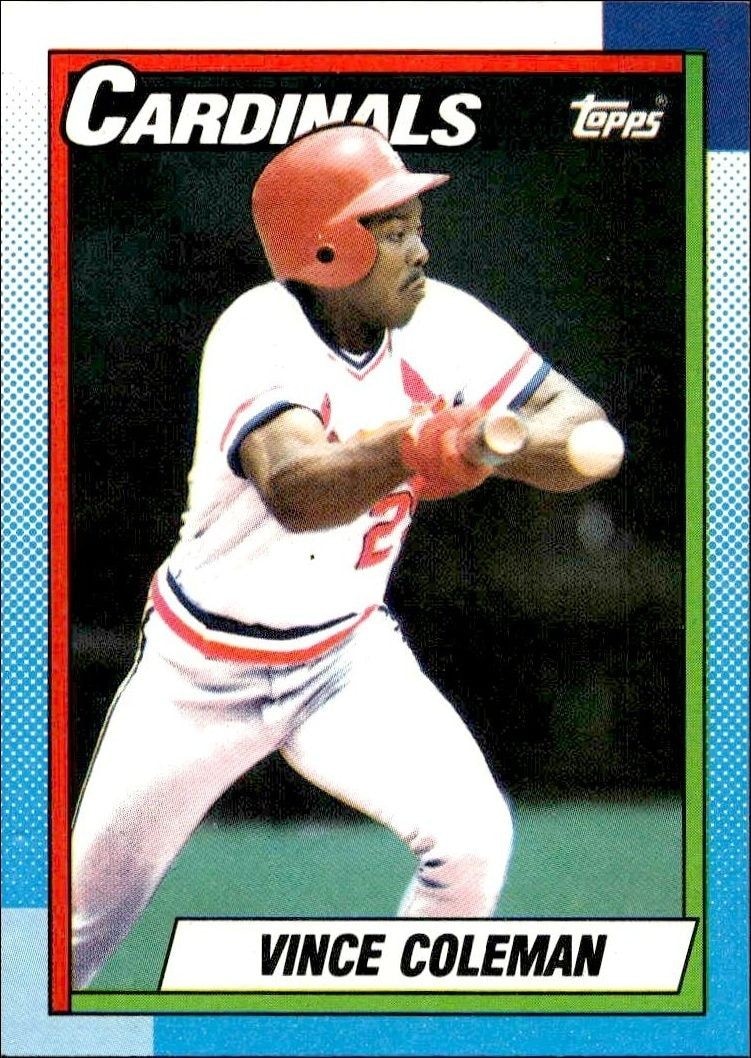
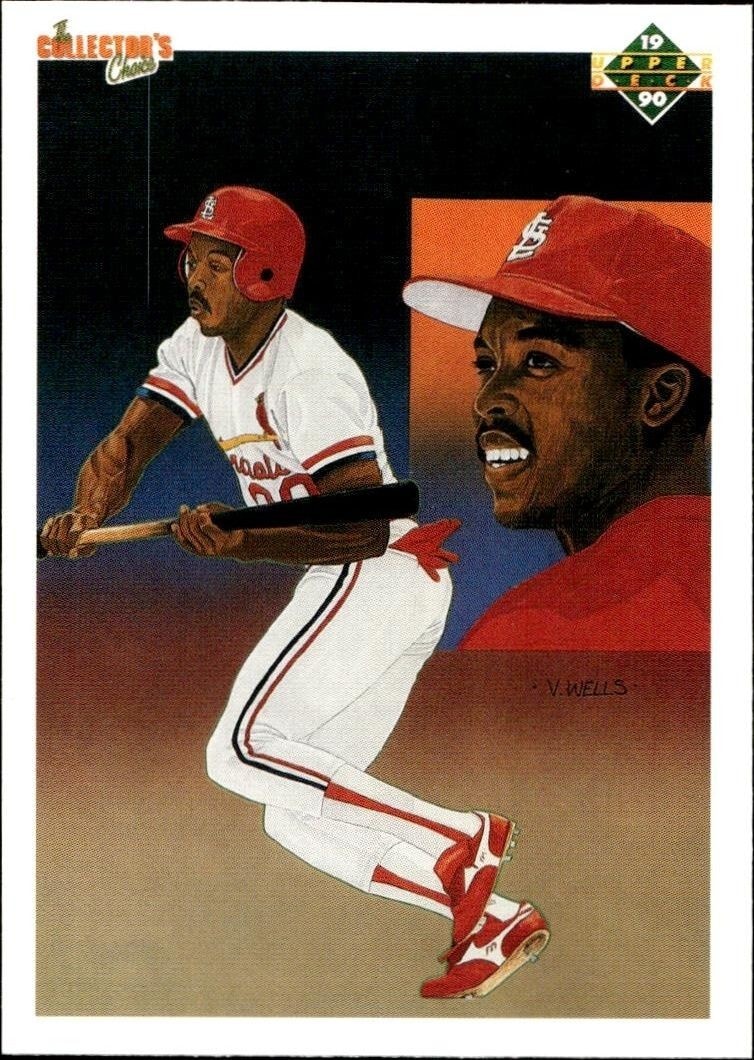


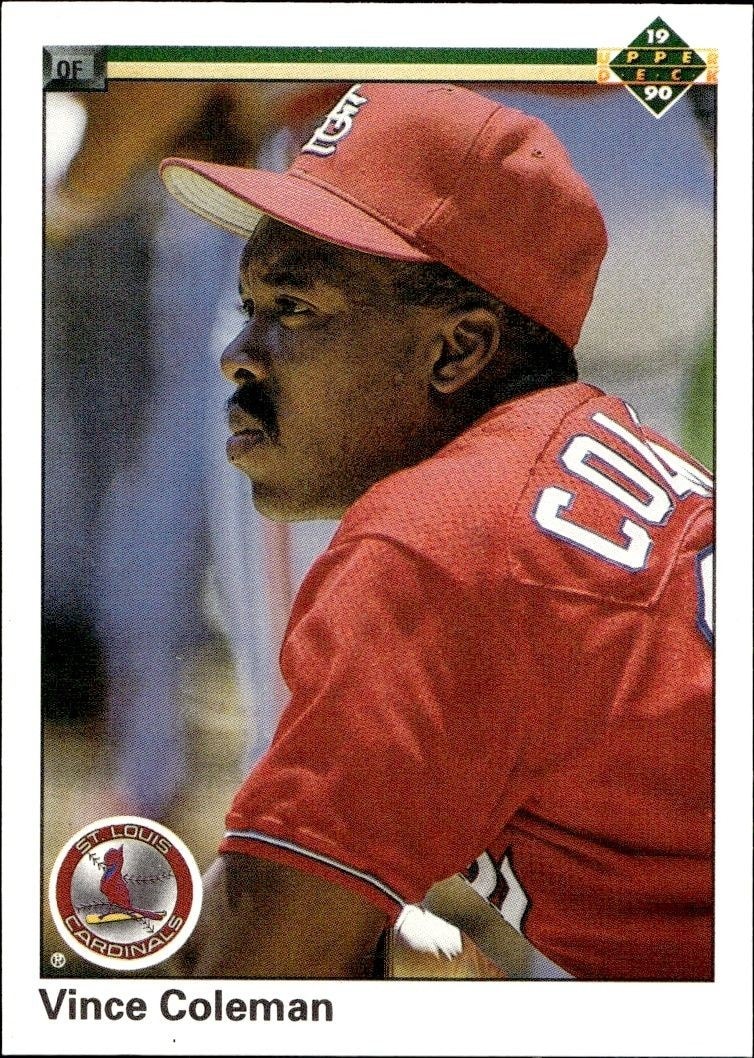
Explore the 1990 Topps Vince Coleman #6 baseball card, a staple of St. Louis Cardinals history. This catalog page aggregates available listings for collectors seeking this set entry.
1990 • Topps
Major League Baseball • St. Louis Cardinals
Near Mint
6
New
Shipping Calculated at Checkout
Arrives in 4-6 daysEstimated delivery October 23, 2026 - October 25, 2026
30-day Returns| Condition | Value | Source | Trend | Price Details |
|---|---|---|---|---|
$1.09 | Guide Estimate | 0% | ||
$0.54As of 9/21/2026 | Completed Sales | |||
$1.62 | Guide Estimate | 0% | ||
$23.90 | Guide Estimate | -0.8% | ||
$33.21 | Guide Estimate | +0.2% | ||
$63.00 | Guide Estimate | 0% | ||
$29.00 | Guide Estimate | 0% | ||
$48.72 | Guide Estimate | 0% | ||
$29.00 | Guide Estimate | 0% | ||
Raw / Ungraded
PriceCharting Price Guide · Guide Estimate evidence · captured Oct 16, 2026
The 1990 Topps Vince Coleman #6 baseball card represents a pivotal moment for the St. Louis Cardinals during the early 1990s. As the leadoff hitter for a team known for its explosive offense, Coleman's presence on this card anchors it within a highly recognizable era of Major League Baseball. Collectors often seek this card number to complete their 1990 Topps base set, which remains one of the most widely collected issues from the late 1980s and early 1990s. Vince Coleman was a defining figure in baseball during this period, renowned for his exceptional speed and base-running ability. His performance for the Cardinals made him a frequent subject of trading cards, but the #6 issue holds a distinct place in the Topps catalog for collectors focused on team-specific sets or player milestones. The card serves as a tangible link to the Cardinals' competitive lineup of that time, featuring the player in the standard Topps design language of the era. For investors and hobbyists, the 1990 Topps set offers a balanced entry point into vintage baseball collecting. The brand's consistent production values and widespread distribution mean that finding copies of the Vince Coleman #6 card is often more accessible than rarer parallel variants, making it a practical choice for set builders. Whether you are looking to round out a decade-specific collection or track the history of the Cardinals' speed game, this card provides a clear window into the sport's past.
1 day ago
We'll pre-fill the product details from this catalog entry, so your listing lands on this exact page. Just add photos of your copy, pick its condition, and set your price.
The catalog profile below summarizes the card identity, featured subject, and notable collectible traits.
The subject, team, league, and sport context tied to this card.
Production details and format-specific attributes.
Material
Card Stock
Language
English
Compare prices, grades, photos, and shipping from approved sellers.
New
Near Mint
See how many public collections currently include this card.
0 collectors have this card
This 1990 Topps Vince Coleman card sits at the entry-level tier for the subject, reflecting its status as a standard base card rather than a premium insert or parallel. While Coleman enjoyed a significant career as a premier base-stealing threat for the St. Louis Cardinals, this specific release lacks the scarcity or visual appeal that typically drives prices above the general market average for his other non-rookie issues. Consequently, it trades at a modest value relative to his peak-era memorabilia, serving primarily as an affordable acquisition for casual collectors.
The card possesses no special scarcity attributes, such as serial numbering, short-print status, or limited edition markings, making it a standard base-issue release from the 1990 Topps set. This lack of distinguishing features means its supply is effectively unlimited within the context of secondary market availability, as it was produced in high volumes for mass distribution. Without unique identifiers to constrain supply, its rarity is defined solely by its age and the general condition of surviving copies from that era.
As a non-rookie card from a mid-career period, this item lacks the rookie-card premium mechanics that typically drive long-term value appreciation in baseball collecting. The combination of a widely available base set and the absence of parallel variants limits its potential for significant capital growth, positioning it as a stable but low-yield asset. Collector demand is likely driven by nostalgia for the Cardinals' 1980s success rather than speculative investment interest, resulting in steady but modest trading activity.