



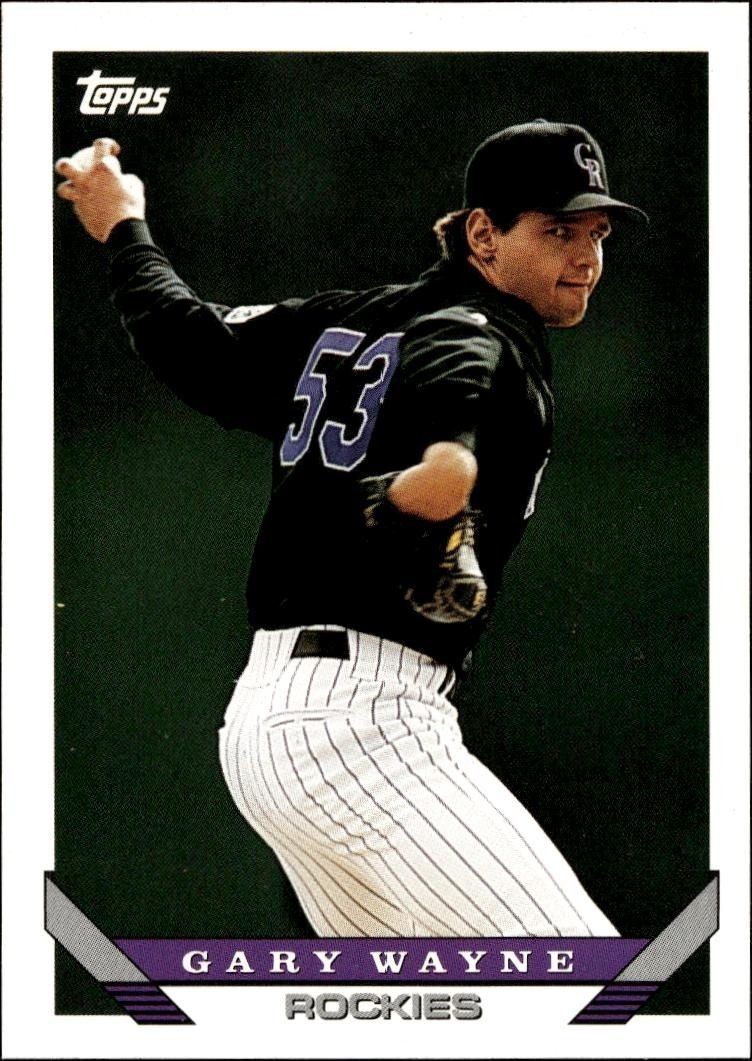
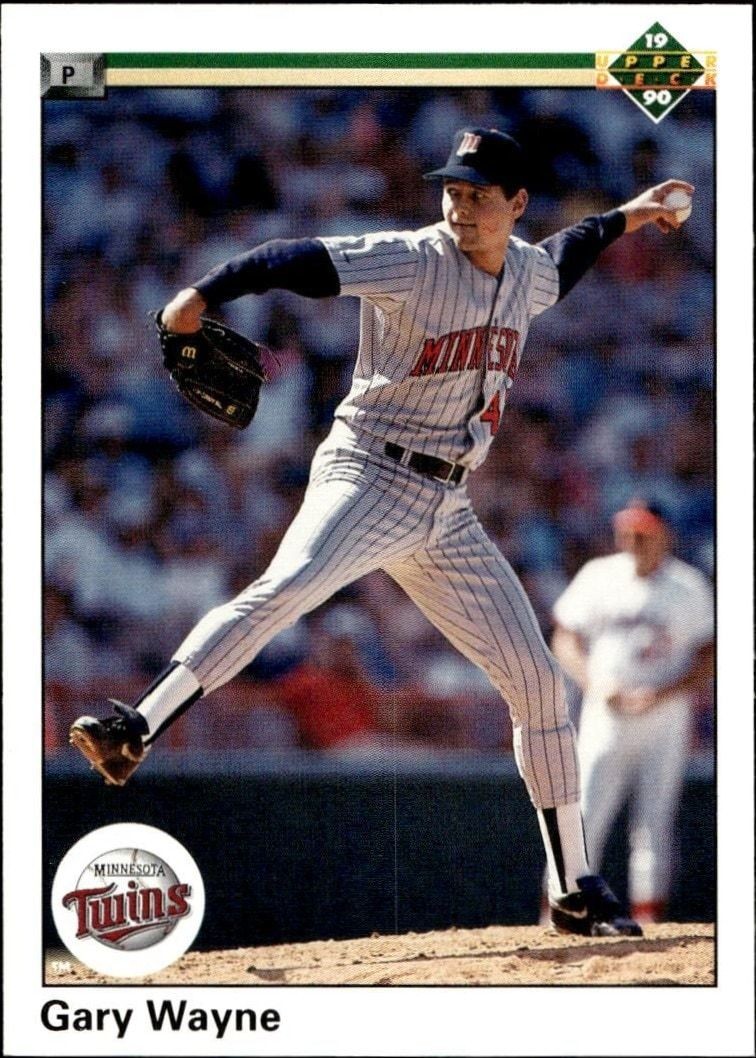


The 1991 Fleer Gary Wayne baseball card, numbered 626, is a nostalgic piece of Minnesota Twins memorabilia from a pivotal era in franchise history.
1991 • Fleer
Major League Baseball • Minnesota Twins
Near Mint
626
New
Shipping Calculated at Checkout
This seller is away until 10/19/2026 — orders are still accepted and ship after they return.30-day Returns| Condition | Value | Source | Trend | Price Details |
|---|---|---|---|---|
$0.99 | Guide Estimate | |||
Raw / Ungraded
PriceCharting Price Guide · Guide Estimate evidence · captured Oct 16, 2026
History is building. At least two days of matching observations are needed to show a trend.
Each point is the last stored observation that day for this printing, condition, grader, autograph status and source. Gaps mean no observation; guide estimates and asking prices are not completed sales.The 1991 Fleer Gary Wayne baseball card, numbered 626, captures the early career of the Minnesota Twins infielder during a standout period in franchise history. Released during the peak of the Fleer brand's popularity, this card is a staple for collectors focusing on 1990s baseball memorabilia. Gary Wayne established himself as a reliable utility player for the Twins, making his presence in the 1991 base set a significant touchpoint for enthusiasts tracking player development. As part of the expansive 1991 Fleer baseball set, this card represents a time when Fleer redefined the visual standards of sports trading cards. For investors and hobbyists, cards from this release offer a tangible connection to the sport's resurgence in the early '90s. The card number 626 places it within the lower-numbered range of the base set, a section often sought after by completionists. Collecting this piece allows enthusiasts to delve into the rich history of the Minnesota Twins. Wayne's tenure with the team coincided with a highly competitive era in the American League, adding historical context to the card beyond its physical form. Whether building a comprehensive archive of 1991 Fleer issues or focusing on specific players from the Twins roster, this card provides a concrete link to that season. The enduring appeal of the Fleer brand ensures that this product remains a relevant and desirable addition to any serious collection, bridging the gap between casual hobbyists and dedicated investors in sports memorabilia.
15 hours ago
We'll pre-fill the product details from this catalog entry, so your listing lands on this exact page. Just add photos of your copy, pick its condition, and set your price.
The catalog profile below summarizes the card identity, featured subject, and notable collectible traits.
The subject, team, league, and sport context tied to this card.
Production details and format-specific attributes.
Material
Card Stock
Language
English
Compare prices, grades, photos, and shipping from approved sellers.
New
Near Mint
See how many public collections currently include this card.
0 collectors have this card
This 1991 Fleer card of Gary Wayne occupies a low-tier market position, reflecting his limited recognition compared to star players from the Minnesota Twins era. The absence of special attributes means it trades at the baseline value for standard base cards from this specific set and year. Current market activity suggests minimal collector demand, keeping its valuation well below notable teammates or rookie stars from the same product.
As a standard base card without serial numbering, short-print designations, or parallel finishes, this item carries no inherent scarcity mechanics beyond its original print run. It exists as a common entry within the 1991 Fleer baseball set, meaning supply is abundant and unrestrictive. The lack of unique identifiers implies that individual condition variations are the primary differentiator rather than rarity.
The card lacks the rookie-card premium or high-parallel status typically required to drive significant appreciation in the secondary market. Demand is largely limited to completists seeking a specific team subset from the early 1990s Fleer release. Without documented career accolades or unique set features, the long-term value proposition remains stable but modest, relying entirely on general nostalgia for the era rather than specific player legacy.