




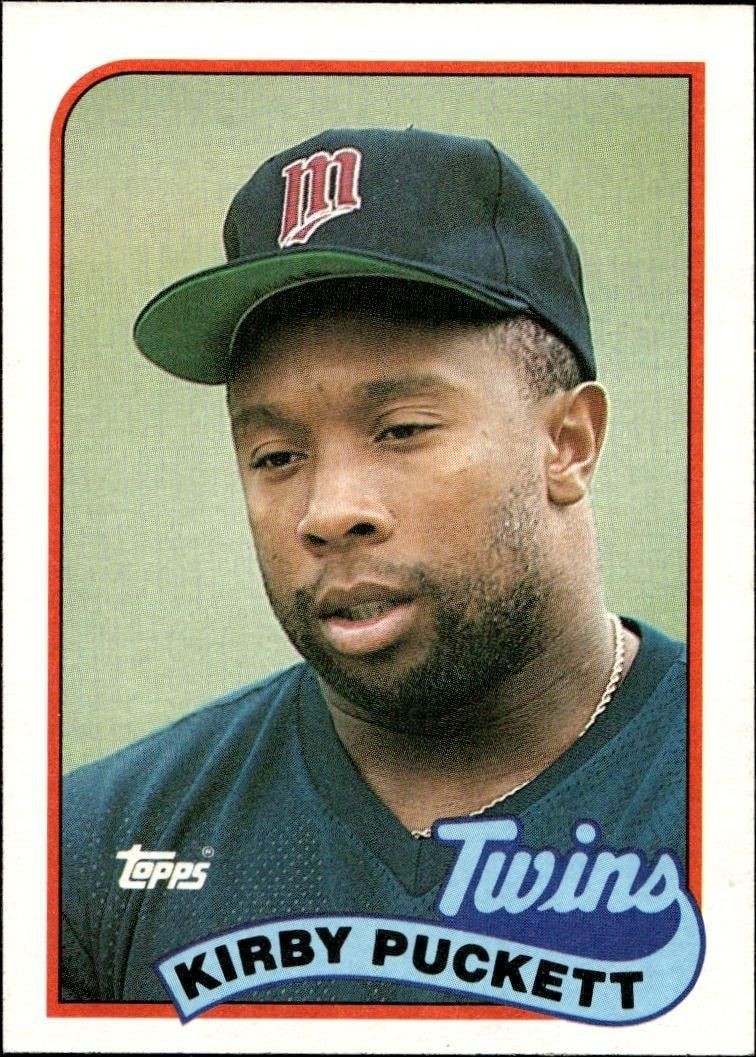

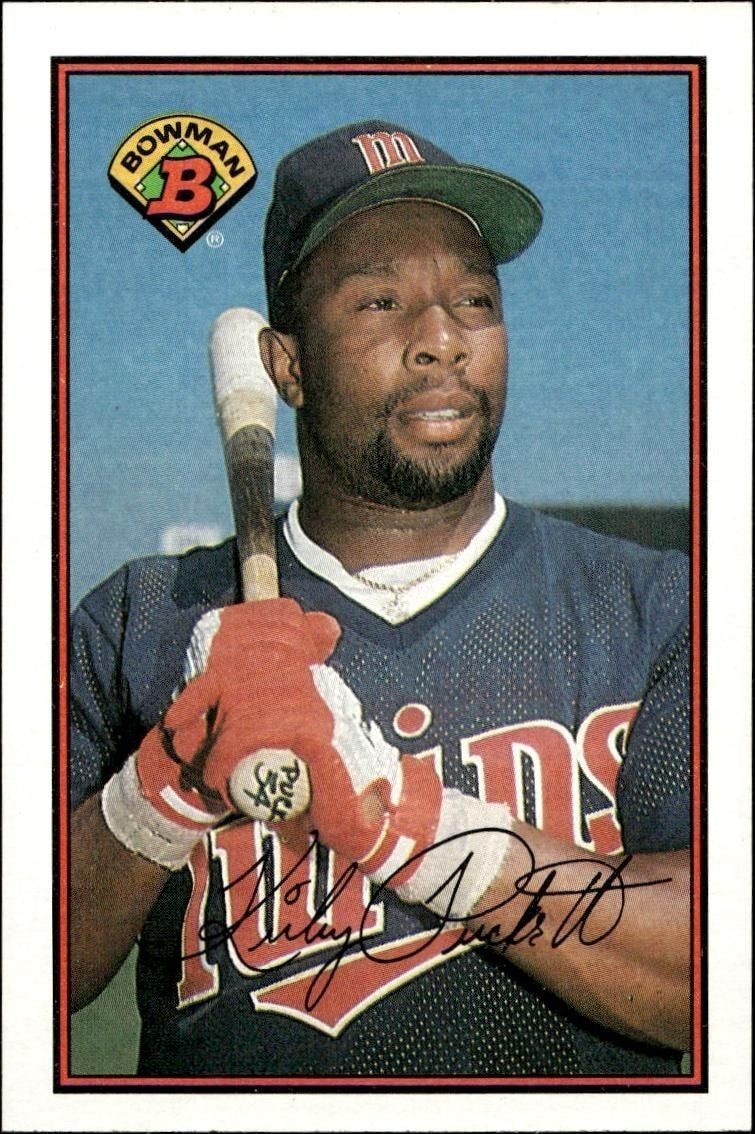


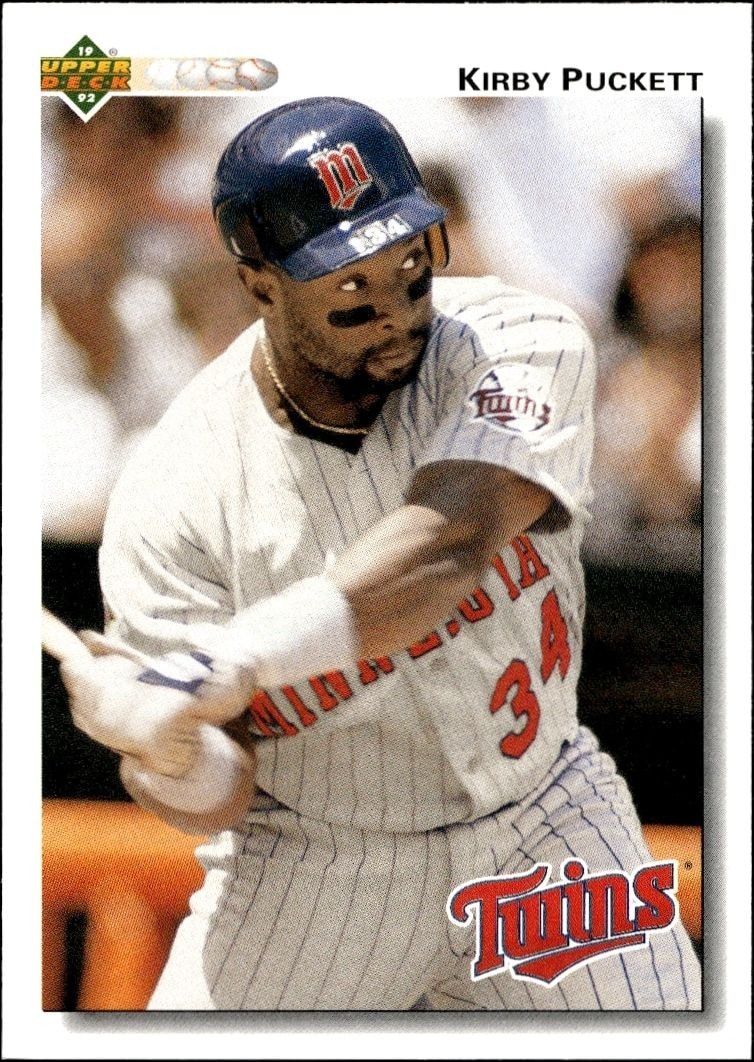
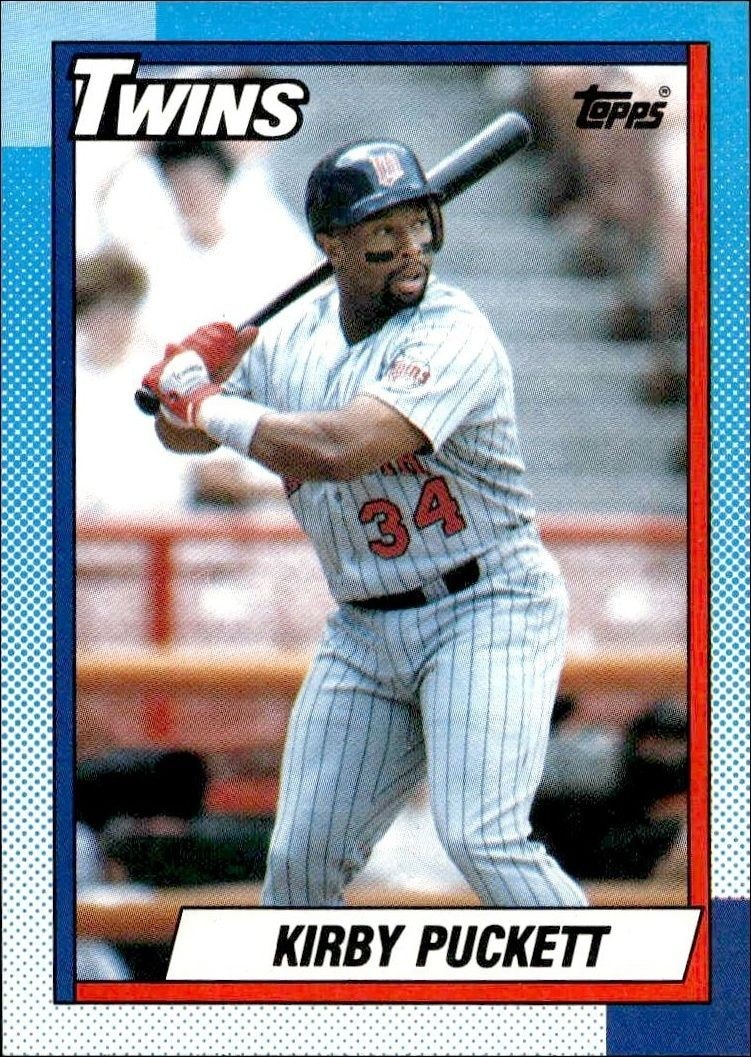
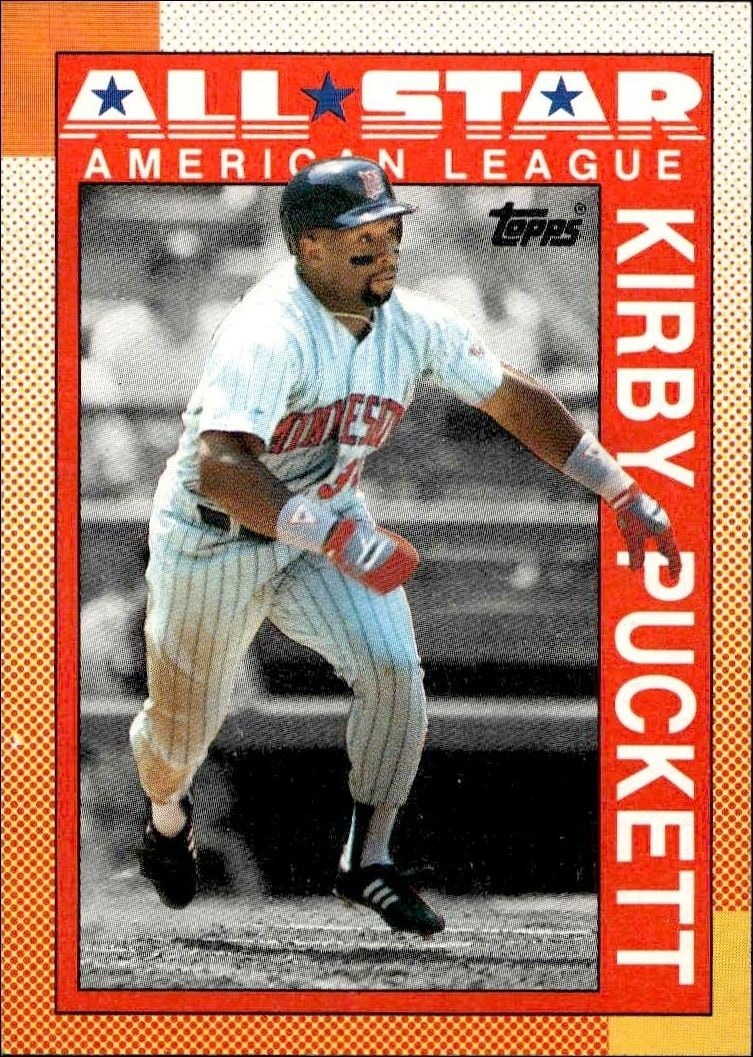
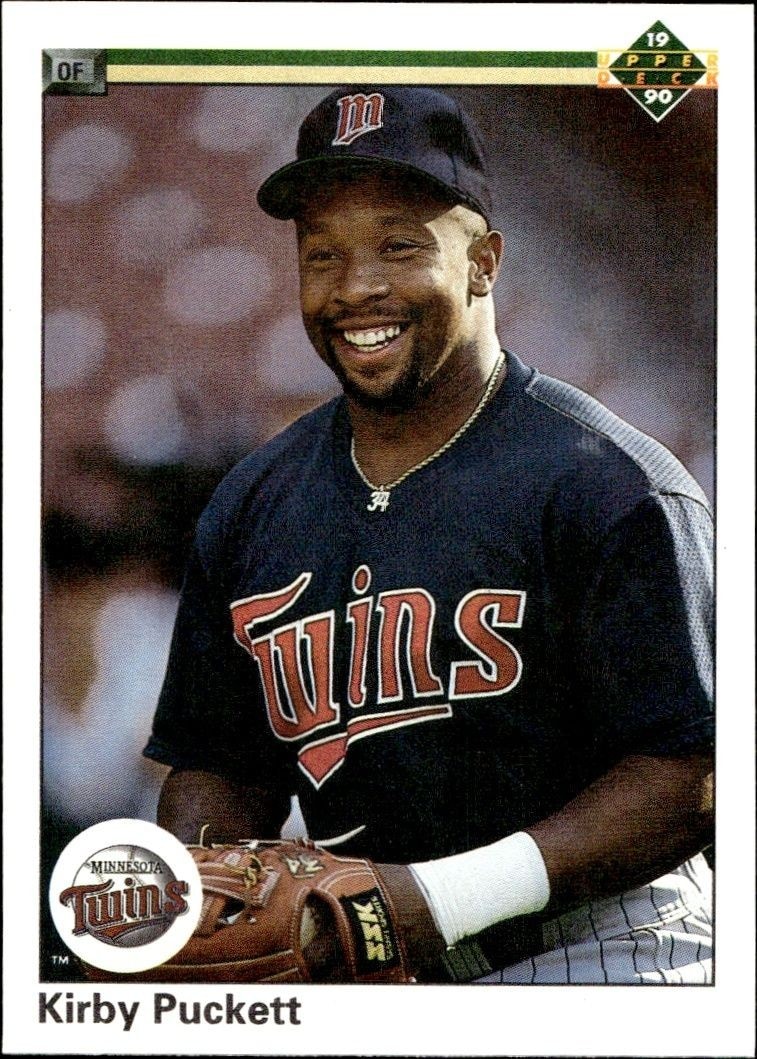
Discover listings for the 1989 Fleer Kirby Puckett baseball card, cataloged as card number 124. This release represents a key piece of Minnesota Twins history from the late 1980s.
1989 • Fleer
Major League Baseball • Minnesota Twins
Excellent
124
New
Shipping Calculated at Checkout
Arrives in 4-6 daysEstimated delivery October 23, 2026 - October 25, 2026
Seller returns October 19, 2026.30-day Returns| Condition | Value | Source | Trend | Price Details |
|---|---|---|---|---|
$1.29 | Guide Estimate | |||
$1.25 | Completed Sales | |||
$2.00 | Guide Estimate | |||
$3.10 | Guide Estimate | |||
$18.95 | Guide Estimate | |||
$28.00 | Guide Estimate | |||
$38.00 | Guide Estimate | |||
$17.00 | Guide Estimate | |||
$29.00 | Guide Estimate | |||
$17.00 | Guide Estimate | |||
Raw / Ungraded
PriceCharting Price Guide · Guide Estimate evidence · captured Oct 7, 2026
History is building. At least two days of matching observations are needed to show a trend.
Each point is the last stored observation that day for this printing, condition, grader, autograph status and source. Gaps mean no observation; guide estimates and asking prices are not completed sales.The 1989 Fleer Kirby Puckett card, designated as number 124 in the base set, stands as a significant entry for collectors of late-1980s baseball memorabilia. Released during a pivotal era for the Minnesota Twins, this card captures the subject at a time when he was establishing himself as a cornerstone of the franchise. Fleer’s design approach for this year emphasized clean photography and bold typography, creating a distinct aesthetic that differentiates it from earlier and later releases in the brand's history. For enthusiasts of the sport, this card offers a tangible connection to the Minnesota Twins' legacy. Kirby Puckett is widely recognized for his dynamic play, and this card number provides a standardized reference point for organizing collections. Whether you are building a team-specific archive or focusing on the Fleer brand's evolution, card 124 serves as a fundamental component of the 1989 set. Collectors often seek out this card to complete a chronological run of the brand or to highlight a specific player's journey during this period. The card's enduring appeal lies in its representation of a defined moment in baseball history, making it a staple for those who value historical accuracy and brand heritage.
1 day ago
We'll pre-fill the product details from this catalog entry, so your listing lands on this exact page. Just add photos of your copy, pick its condition, and set your price.
The catalog profile below summarizes the card identity, featured subject, and notable collectible traits.
The subject, team, league, and sport context tied to this card.
Production details and format-specific attributes.
Material
Card Stock
Language
English
Compare prices, grades, photos, and shipping from approved sellers.
New
Excellent
See how many public collections currently include this card.
0 collectors have this card
This 1989 Fleer Kirby Puckett card represents the entry-level tier for the Hall of Fame center fielder, trading significantly below his premium parallel or rookie counterparts. While the base issue commands a modest premium due to Puckett's iconic status with the Minnesota Twins, it remains an accessible price point for casual fans. The current market positioning reflects the high volume of ungraded base cards available compared to his scarce graded examples.
As a standard base card from the 1989 Fleer set, this item lacks the supply constraints of serial numbered parallels, short prints, or one-of-one variants. The scarcity is driven primarily by condition rarity rather than intentional production limits, as mass-produced base cards were intended for wide distribution. Without special attributes like foil or inserts, the supply remains effectively infinite relative to high-end collectibles.
Investment potential is limited by the card's status as a mass-market base issue rather than a scarce rookie or short-print variant. Demand is sustained by Puckett's enduring legacy in baseball history, but the lack of unique scarcity mechanics caps the upside for appreciation. Collectors typically prioritize this card for its nostalgic value and affordability rather than as a speculative asset.