



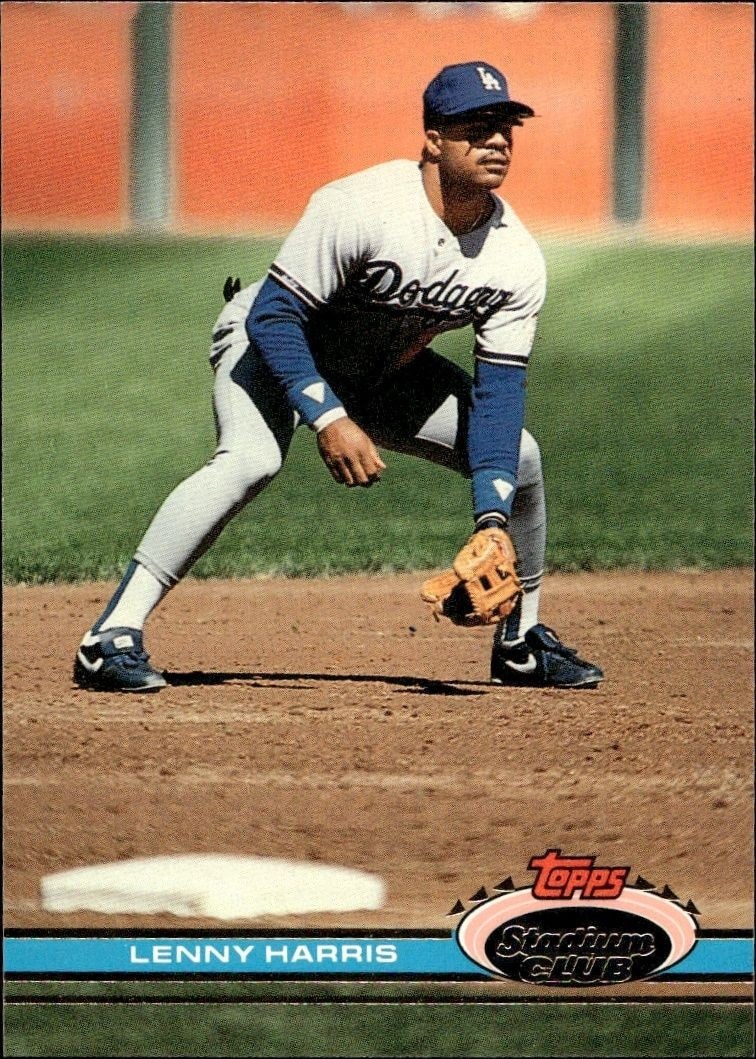
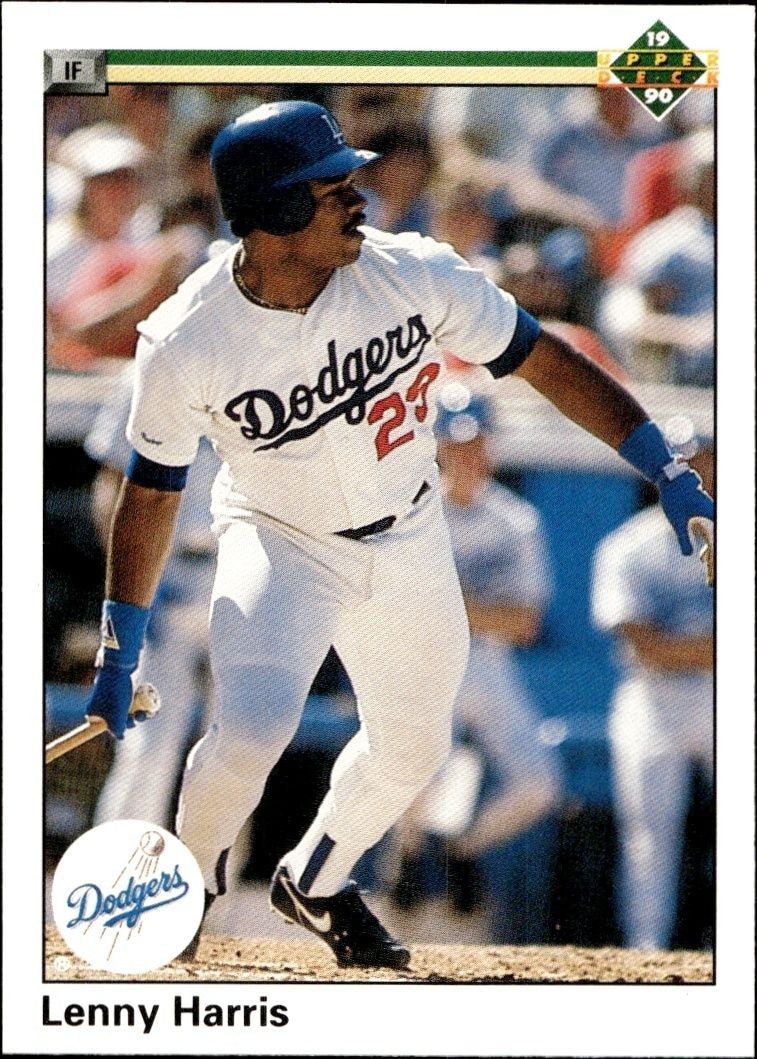
Discover the 1990 Topps Lenny Harris #277 Los Angeles Dodgers baseball card, a staple of 1990s MLB collecting.
1990 • Topps
Major League Baseball • Los Angeles Dodgers
Near Mint
277
New
Shipping Calculated at Checkout
Arrives in 4-6 daysEstimated delivery October 23, 2026 - October 25, 2026
30-day Returns| Condition | Value | Source | Trend | Price Details |
|---|---|---|---|---|
$1.40 | Guide Estimate | |||
Raw / Ungraded
PriceCharting Price Guide · Guide Estimate evidence · captured Oct 11, 2026
History is building. At least two days of matching observations are needed to show a trend.
Each point is the last stored observation that day for this printing, condition, grader, autograph status and source. Gaps mean no observation; guide estimates and asking prices are not completed sales.The 1990 Topps Lenny Harris #277 card is a definitive piece of Major League Baseball history, capturing the Los Angeles Dodgers infielder during a pivotal era of the franchise. As one of the most recognizable brands in sports memorabilia, Topps established a design language in 1990 that remains highly sought after by vintage collectors today. This card, numbered 277, features Harris in his Dodgers uniform, representing his tenure with the team before his later stints with other clubs. Lenny Harris, known for his versatility and contact hitting, was a key roster player for Los Angeles during this period. The card serves as a tangible link to the Dodgers' lineup from the late 1980s and early 1990s, a time when the team featured several future Hall of Famers and All-Stars. For enthusiasts of Los Angeles Dodgers memorabilia, this card offers a chance to own a piece of the team's recent past. Whether you are building a comprehensive set of 1990 Topps releases or focusing on Dodgers players from this era, the Lenny Harris #277 card is a valuable addition. Its straightforward design and clear player identification make it accessible to new collectors while remaining a respected item for veteran hobbyists. The card's enduring appeal lies in its association with a beloved franchise and a player who contributed to the team's success during a competitive decade in MLB. By focusing on the historical significance and visual identity of the 1990 Topps release, collectors can appreciate the card for what it represents: a snapshot of baseball history from one of the sport's most storied organizations. The 1990 Topps Lenny Harris #277 card remains a relevant and desirable item for anyone interested in the golden age of modern baseball card collecting.
2 days ago
We'll pre-fill the product details from this catalog entry, so your listing lands on this exact page. Just add photos of your copy, pick its condition, and set your price.
The catalog profile below summarizes the card identity, featured subject, and notable collectible traits.
The subject, team, league, and sport context tied to this card.
Production details and format-specific attributes.
Material
Card Stock
Language
English
Compare prices, grades, photos, and shipping from approved sellers.
New
Near Mint
See how many public collections currently include this card.
0 collectors have this card
This 1990 Topps Lenny Harris card represents a low-tier entry point within the broader Dodgers card market, reflecting his role as a utility player rather than a franchise cornerstone. The current pricing indicates a stable but modest valuation typical of common base cards from this era, lacking the volatility associated with star players or rookie issues. Condition sensitivity is likely minimal given the mass-produced nature of the base set, meaning raw copies trade very close to their graded counterparts in value.
As a standard base card without noted parallels, short prints, or serial numbering, this item carries no inherent scarcity mechanics beyond standard production volumes. The lack of special attributes implies an open market supply where availability is driven by general collector distribution rather than limited edition constraints. Consequently, the card’s rarity profile is defined by its ubiquity in the 1990 Topps set, making it a common find rather than a hunt-based acquisition.
Investment potential is limited by the absence of a rookie designation or significant career milestones highlighted in the card's attributes. While it serves as a decent fill for a Dodgers or 1990s baseball set completionist, it lacks the demand drivers necessary for appreciating value. Collectors are more likely to prioritize higher-tier parallels or iconic rookie cards from the same era, keeping this specific base card’s market trajectory flat and stagnant.