
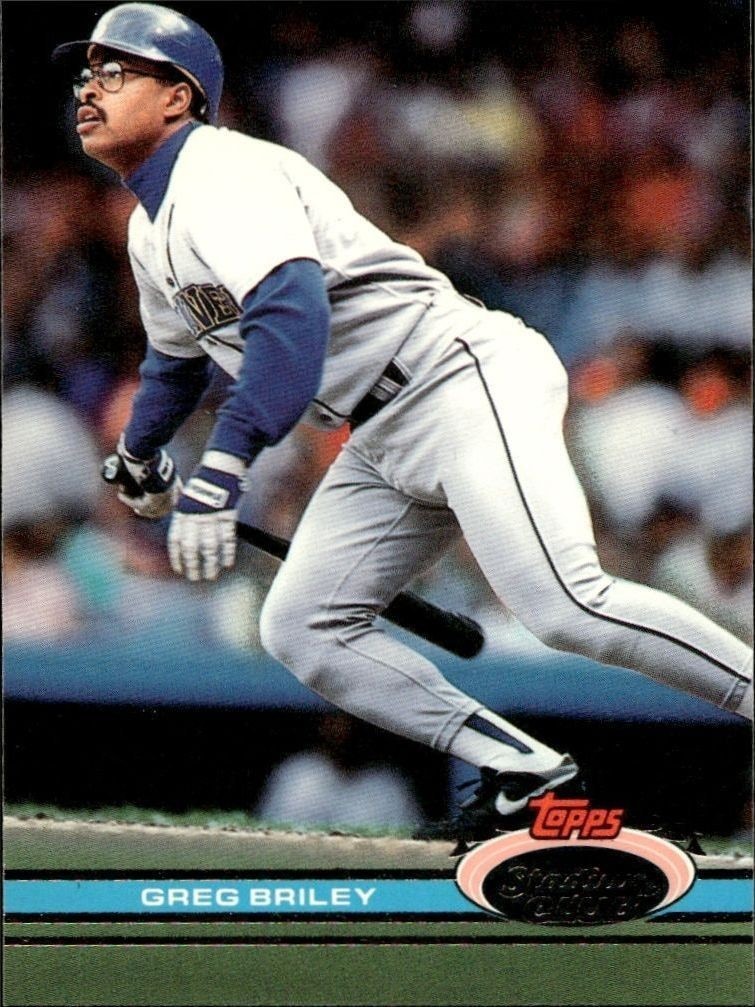


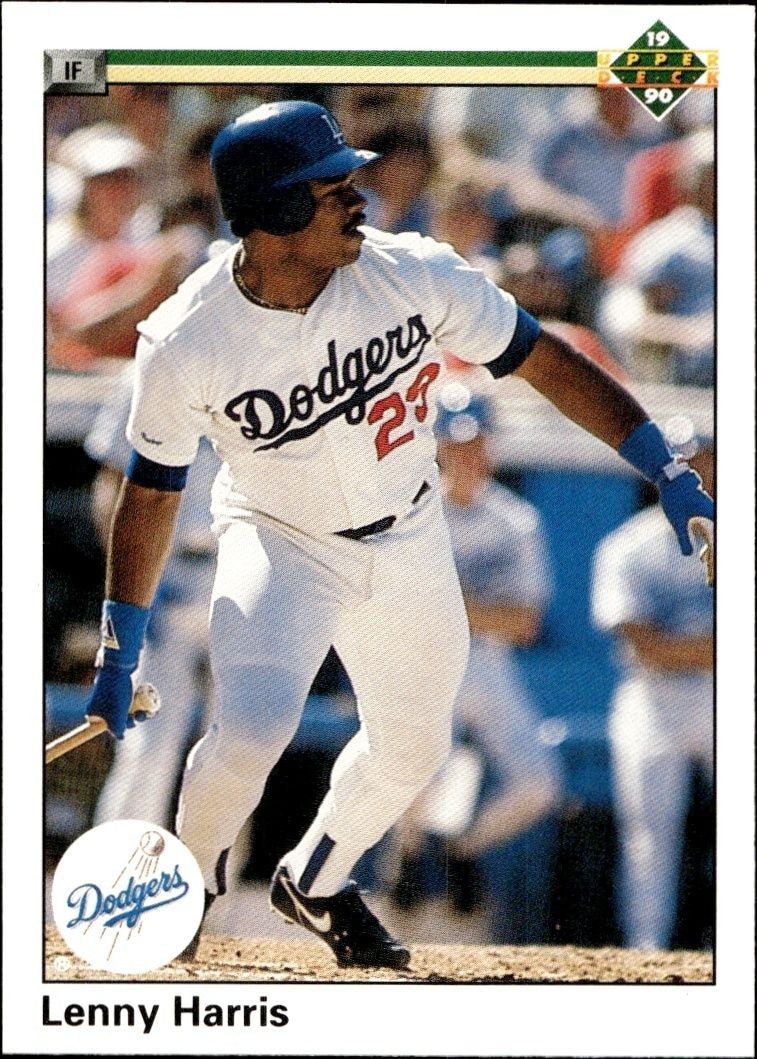
The 1991 Topps Stadium Club Lenny Harris #65 card captures a key moment in Dodgers history. This classic baseball trading card is a staple for collectors of the era.
1991 • Topps • Stadium Club
Major League Baseball • Los Angeles Dodgers
Near Mint
65
New
Shipping Calculated at Checkout
Arrives in 5-7 daysEstimated delivery October 23, 2026 - October 25, 2026
Seller returns October 19, 2026.30-day Returns| Condition | Value | Source | Trend | Price Details |
|---|---|---|---|---|
$1.39 | Asking Prices | |||
Raw / Ungraded
eBay Active Listings · Asking Prices evidence · captured Oct 15, 2026
History is building. At least two days of matching observations are needed to show a trend.
Each point is the last stored observation that day for this printing, condition, grader, autograph status and source. Gaps mean no observation; guide estimates and asking prices are not completed sales.This release, numbered 65, features Lenny Harris during his tenure with the Los Angeles Dodgers. For collectors, this card serves as a tangible piece of MLB history from the early 1990s, a period known for its vibrant team identities and dynamic roster shifts. Lenny Harris was a versatile infielder whose career spanned multiple teams, but his time with the Dodgers is particularly notable for fans of the franchise. The 1991 Topps Stadium Club design is recognized for its clean layout and photographic quality, setting it apart from contemporaries. Collectors often seek out specific cards from this series to complete their base set or to highlight a particular player's journey. The platform caters to those looking to build comprehensive collections of 90s baseball memorabilia. Whether you are a dedicated Dodgers fan or a general sports card investor, finding the right copy involves understanding the nuances of the 1991 Topps Stadium Club release. The card's number, 65, makes it easy to identify within the broader catalog of the set. Collecting from this era requires attention to detail, as variations in production can affect a card's appeal. By focusing on the identity of the card and the legacy of the player, collectors can make informed decisions. The 1991 Topps Stadium Club #65 remains a significant item for anyone interested in the history of baseball trading cards and the Los Angeles Dodgers.
23 hours ago
We'll pre-fill the product details from this catalog entry, so your listing lands on this exact page. Just add photos of your copy, pick its condition, and set your price.
The catalog profile below summarizes the card identity, featured subject, and notable collectible traits.
The core identity of the card within the set.
The subject, team, league, and sport context tied to this card.
Production details and format-specific attributes.
Material
Card Stock
Language
English
Compare prices, grades, photos, and shipping from approved sellers.
New
Near Mint
See how many public collections currently include this card.
0 collectors have this card
This 1991 Stadium Club card of Lenny Harris represents an entry-level tier within the Topps baseball market, reflecting his status as a role player rather than a franchise cornerstone. While it lacks the premium associated with superstar rookies, it serves as an accessible component for collectors building themed Dodgers or 1990s National League sets. The current pricing suggests steady, low-volume demand typical of non-star position players from this era.
As a standard base card within the Stadium Club parallel hierarchy, this item does not carry the supply constraints of short-printed parallels or serial-numbered inserts. Its availability is determined by the general print volume of the 1991 set, meaning supply is relatively abundant compared to specialty subsets. Collectors seeking this specific image face no scarcity hurdles, as it is widely distributed across the primary market.
Investment potential is limited by the absence of rookie designation or high-grade scarcity, which are primary drivers for long-term value appreciation in pre-90s baseball. Demand is likely sustained only by niche completists targeting specific team sets or year-specific collections rather than speculative growth. Holders should view this card as a low-cost addition for collection depth rather than a vehicle for significant capital return.